


Exploring the historical journey of gambling through the ages
The Origins of Gambling
The practice of gambling can be traced back thousands of years, with evidence suggesting its existence in ancient civilizations. Archaeological findings reveal that the earliest forms of gambling involved the use of dice, which date back to around 3000 BC in Mesopotamia. These rudimentary games were likely tied to rituals and social gatherings, highlighting the cultural significance of chance and luck. Today, people can explore the evolution of these practices by visiting the best online casino, which captures this rich history in various games.

In ancient China, gambling was also present, with games utilizing tiles and betting on the outcomes of various events. The Chinese Book of Songs, written around 1000 BC, references gambling, indicating that it was a well-established practice in society. As civilizations evolved, so did the methods of gambling, reflecting changes in culture, technology, and social norms.
The Rise of Organized Gambling
As societies progressed, gambling transformed into a more organized activity. In Ancient Rome, betting on gladiatorial games and chariot races became popular, accompanied by the development of betting houses. These establishments catered to a growing audience eager to place wagers on various events, marking a significant shift from informal to structured gambling.
This rise in organized gambling also spurred the creation of laws and regulations surrounding betting. Roman authorities implemented rules to manage these activities, recognizing both the economic potential and the need for order. This period laid the groundwork for future gambling establishments, including modern casinos, which would emerge centuries later.
The Impact of the Middle Ages and Renaissance
The Middle Ages saw a complex relationship with gambling, often viewed with suspicion and subjected to varying degrees of regulation. In some regions, gambling was banned outright, while in others, it flourished despite the controversies surrounding it. The emergence of card games during this time marked a new phase in gambling history, with decks of cards becoming commonplace across Europe.
The Renaissance ignited a renewed interest in gambling, with more sophisticated games and betting methods gaining popularity. This period also saw the establishment of public gaming houses, where people could gather to enjoy games of chance. The growing acceptance of gambling during this era played a crucial role in its evolution into a mainstream activity.
The Birth of Modern Casinos
The modern casino as we know it began to take shape in the 17th and 18th centuries. The first official casino, known as the Ridotto, opened in Venice in 1638, providing a controlled environment for gaming. This innovation paved the way for the proliferation of casinos across Europe and eventually the world.
As the 19th century approached, gambling became increasingly popular in the United States, leading to the establishment of iconic venues such as Monte Carlo Casino. These establishments not only offered games of chance but also luxurious experiences, drawing in tourists and locals alike. The casino industry began to flourish, setting the stage for the global gambling market we see today.
The Evolution of Online Gambling
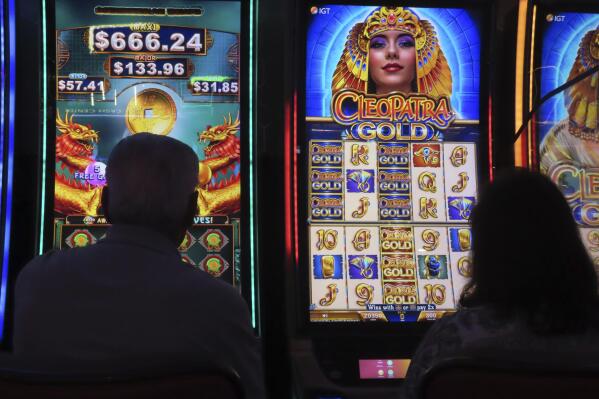
In recent years, the advent of the internet has revolutionized the gambling industry. Online casinos and betting platforms have emerged, allowing players to engage in their favorite games from the comfort of their homes. This digital transformation has attracted a new generation of gamblers, making gambling more accessible than ever before.
As online gambling continues to evolve, regulations are being adapted to address the unique challenges posed by the digital landscape. Ensuring player safety and fair play remains a priority, with many online platforms investing in security measures. This ongoing journey highlights the adaptability of gambling, ensuring it remains relevant in an ever-changing world.
