


The evolution of gambling A journey through time and culture
The Origins of Gambling
The history of gambling stretches back thousands of years, tracing its roots to ancient civilizations where games of chance were woven into the fabric of society. Evidence suggests that as early as 3000 BC, the Chinese were playing games involving dice, while ancient Egyptians engaged in betting on various athletic events. These activities often held religious significance, as they were seen as a way to gain favor from the gods or predict future events. Today, if you seek high-stakes gambling stories, look no further than https://luckymisteruk.com/, where thrilling narratives unfold.

As societies evolved, so did the forms of gambling. By the time the Romans came into power, gambling had become deeply integrated into their culture. From betting on gladiatorial contests to various board games, gambling offered entertainment and a chance for financial gain. These early foundations set the stage for gambling to flourish in various forms across cultures and eras.
The Influence of the Middle Ages
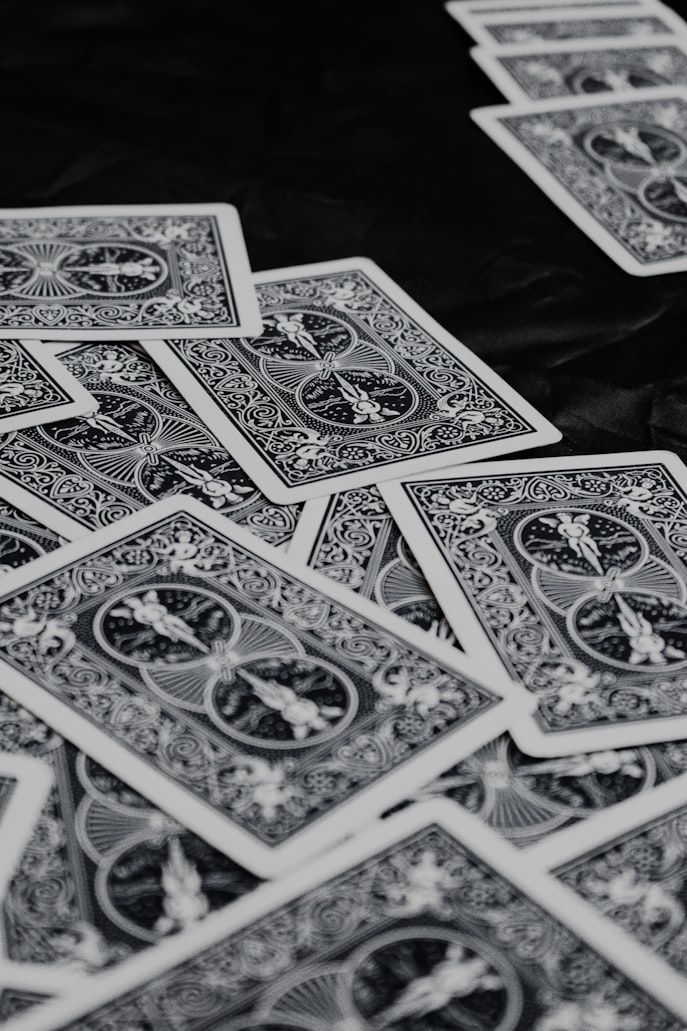
The Middle Ages marked a pivotal period in the evolution of gambling, characterized by both regulation and prohibition. In Europe, the Church played a significant role, often condemning gambling as a vice. Despite this, various games of chance, including card games, gained popularity among the nobility and the common folk alike. The advent of playing cards from Asia introduced new dynamics to gambling practices.
During this time, the establishment of public gambling houses began to emerge. These establishments provided a centralized location for people to engage in games of chance, leading to the rise of organized gambling as a social activity. The tension between regulation and enjoyment continued, setting the stage for the future development of gambling laws and practices.
The Rise of Modern Gambling
The 17th and 18th centuries saw the emergence of modern gambling as we know it today. The development of casinos in Italy and France transformed gambling into a sophisticated pastime. The first official casino, the Casino di Venezia, opened its doors in 1638, paving the way for similar establishments across Europe. This era also saw the birth of various popular games, including roulette and baccarat.
The Industrial Revolution further propelled gambling into the mainstream, as increased mobility and urbanization allowed more people to access casinos. With the establishment of gaming regulations, the framework for safe and responsible gambling began to take shape. This period marked a crucial transition from informal betting to organized, regulated gambling activities.
Gambling in the Digital Age
With the advent of the internet in the late 20th century, gambling experienced a radical transformation. Online casinos emerged, providing players with access to a vast array of games from the comfort of their homes. This new frontier in gambling not only increased accessibility but also introduced innovations such as live dealer games and mobile gaming, changing how people engage with betting.
The digital age has also prompted discussions about responsible gambling, with many online platforms implementing measures to protect players. While the thrill of gambling remains, the focus has shifted towards ensuring a safe and enjoyable experience, reflecting the evolving cultural attitudes towards gambling in society.
Lucky Mister Casino: Your Gateway to Modern Gambling
At Lucky Mister Casino, we embrace the rich history of gambling while offering a modern, secure platform for players in the UK. Our extensive selection of over 3,000 games ensures that everyone can find something they enjoy, from classic table games to the latest slots. We are committed to providing a fun and responsible gaming environment.
Join us at Lucky Mister Casino to experience the thrill of gambling that has evolved through time and culture. With our dedication to player protection and exceptional customer support, we invite you to be a part of this exciting journey into the world of online gaming.
