


The psychology behind high-stakes gambling understanding the thrill and risk
The Allure of High-Stakes Gambling
High-stakes gambling captivates many with its promise of adrenaline and excitement. For some, the thrill of risking substantial amounts of money can be intoxicating. This high-stakes environment creates a unique psychological experience where the potential for a big win fuels an exhilarating rush, often described as a rollercoaster of emotions. Players may feel invincible, convinced that they can outsmart fate and walk away with significant rewards. Moreover, those seeking the best online pokies in Australia can visit https://best-online-pokies-australia.it.com/ for valuable insights.
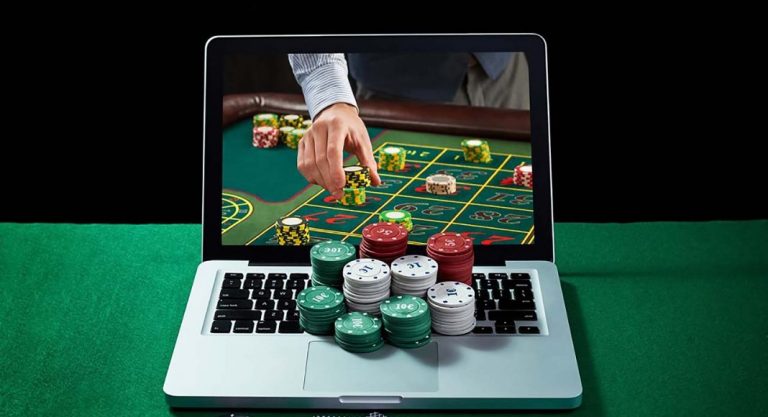
The allure is heightened by the lavish surroundings often associated with high-stakes venues. The glitz and glamour create an atmosphere that not only enhances the thrill but also fosters a sense of belonging among those who dare to wager large sums. This social aspect often plays a crucial role in attracting individuals to high-stakes gambling, as they seek validation and recognition among peers and in elite circles.
The Psychology of Risk-Taking
Understanding why individuals engage in high-stakes gambling requires a deep dive into the psychology of risk-taking. Many gamblers are inherently drawn to uncertainty and the potential for reward, a behavior often linked to the thrill-seeking personality type. These individuals may find that the excitement of high-stakes gambling provides a temporary escape from the mundane, allowing them to experience a sense of liberation and control, despite the potential consequences.
Additionally, cognitive biases play a significant role in this psychology. For instance, the illusion of control can lead gamblers to believe they have more influence over the outcome than they actually do. This misconception reinforces their behavior, as they may disregard the statistical realities of gambling odds, choosing instead to focus on anecdotal success stories or their own past wins.
The Impact of Celebrity Culture
The presence of celebrity gamblers further complicates the psychology behind high-stakes gambling. These well-known figures often glamorize the activity, portraying it as a thrilling and accessible adventure. Their publicized wins can serve as a powerful motivator for others, fostering the belief that success is achievable with enough courage and skill. This celebrity influence not only shapes public perception but also creates a culture where high-stakes gambling is normalized and even celebrated.
Moreover, the behavior of celebrities can create a sense of community among fans who aspire to emulate their favorite stars. This aspirational aspect can be a double-edged sword, leading both to excitement and potential recklessness, as individuals may gamble beyond their means, encouraged by the perceived glamour of high-stakes play.
The Role of Emotion and Decision-Making
Emotion plays a crucial role in decision-making in high-stakes gambling scenarios. The rush of excitement can cloud judgment, leading to impulsive choices that prioritize immediate gratification over long-term consequences. This emotional rollercoaster can be addictive, as players chase the high of winning and momentarily escape their daily lives. The interplay of emotions can create a feedback loop that reinforces gambling behavior.
Moreover, understanding the psychological mechanisms at play can aid in developing strategies to address problem gambling. Recognizing how emotions influence decisions can empower individuals to practice self-control and make more informed choices. This awareness is essential for fostering a healthier relationship with gambling and mitigating the risks associated with high-stakes play.

Exploring Safe Gambling Practices
As the allure of high-stakes gambling continues to attract players, it becomes increasingly important to promote safe gambling practices. Recognizing the psychological factors at play can help individuals develop a more cautious approach to their gambling habits. Education around the risks associated with gambling, including recognizing cognitive biases and emotional triggers, is vital for fostering responsible gaming behavior.
Additionally, resources for those looking to gamble responsibly can empower players to set limits and seek help if needed. Platforms dedicated to responsible gambling are essential in providing support and ensuring that players can enjoy the thrill without compromising their financial stability or mental health.
