


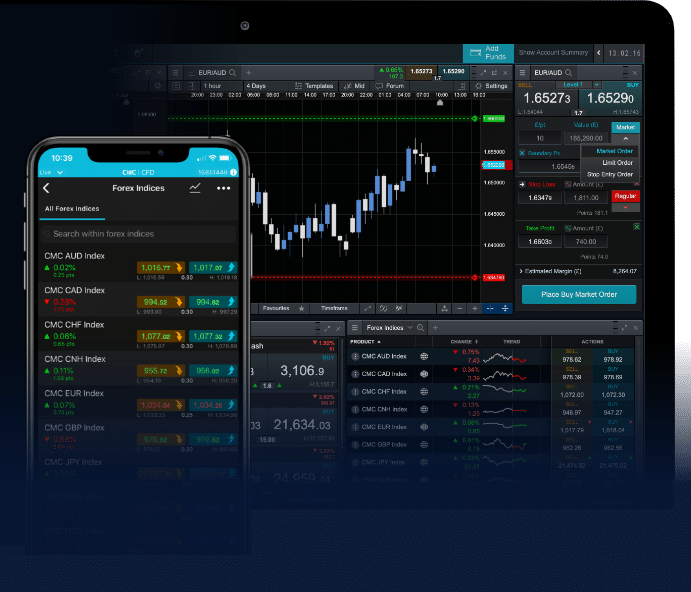
The Ultimate Guide to Forex Day Trading
Forex day trading has garnered immense popularity over the years, driven by the increasing accessibility of the financial markets. Traders seek to exploit short-term price movements in the foreign exchange market, aiming to make profits within a single trading day. This article will delve into the key aspects of Forex day trading, providing you with the knowledge and tools necessary to navigate this fast-paced environment. Whether you’re a beginner or an experienced trader looking to refresh your strategies, understanding the foundational elements is crucial for success. Learn more at forex day trading ZAR Trading.
1. What is Forex Day Trading?
Forex day trading involves buying and selling currency pairs within the same trading day. Unlike long-term trading strategies that hold positions for weeks or months, day trading capitalizes on short-term market fluctuations. Traders close their positions before the end of the trading day to avoid overnight risks and volatility.
2. Key Strategies for Forex Day Trading
To be successful in Forex day trading, several strategies can be employed. Here are some popular ones:
2.1 Scalping
Scalping is a strategy that focuses on making small profits from minor price changes. Traders will execute dozens or even hundreds of trades in a single day, holding positions for mere minutes. This method requires intense concentration and rapid decision-making skills.
2.2 Momentum Trading
Momentum trading capitalizes on existing market trends. Traders identify currency pairs that are moving significantly in one direction and enter trades aiming to benefit from that momentum. Tools such as Moving Averages and the Relative Strength Index (RSI) can help in identifying these trends.
2.3 Pick the Right Pair
Choosing the right currency pairs is crucial. Major pairs like EUR/USD and GBP/USD tend to have higher liquidity and tighter spreads, making them favorable for day traders. Additionally, understanding news events and economic indicators that affect these currencies can provide an edge.
3. Analyzing the Forex Market
Successful day trading relies heavily on proper market analysis. There are two primary methods: fundamental analysis and technical analysis.

3.1 Fundamental Analysis
Fundamental analysis involves evaluating economic indicators, interest rates, and geopolitical events that may impact currency prices. Understanding how these factors influence the market will help traders make informed decisions.
3.2 Technical Analysis
Technical analysis is the study of price charts and patterns to predict future market movements. Traders use various indicators and tools, such as Fibonacci retracements, Bollinger Bands, and chart patterns to identify entry and exit points in their trades.
4. Risk Management in Forex Day Trading
Proper risk management is essential for day traders, as the fast-paced nature of Forex trading can lead to significant losses if not managed correctly. Here are some risk management techniques:
4.1 Setting Stop-Loss and Take-Profit Levels
Stop-loss orders help protect your investment by automatically closing a position at a predetermined price level. Take-profit orders ensure that profits are secured when the price reaches a certain point. Establishing these levels before entering a trade is a fundamental practice.
4.2 Capital Allocation
Never risk more than a small percentage of your trading capital on a single trade. Many successful traders recommend risking no more than 1-2% of your capital to safeguard your account against significant drawdowns.
5. The Importance of a Trading Plan
A well-defined trading plan is vital for consistency and discipline in Forex day trading. This plan should outline your trading goals, risk tolerance, strategies, and methods for evaluating performance. Sticking to your trading plan helps prevent emotional decision-making and keeps you focused on long-term success.
6. Learning from Your Trades
After executing trades, it’s essential to review your performance regularly. Analyze your winning and losing trades to identify patterns and areas for improvement. Keeping a trading journal can be a valuable tool in this process, providing insights into your decision-making and strategies over time.
Conclusion
Forex day trading can be a rewarding venture for those willing to invest the time and effort to learn the intricacies of the market. By employing effective strategies, practicing risk management, and maintaining a disciplined approach, traders can enhance their chances of success. As a rapidly evolving field, continuous education and adaptation to changing market conditions are essential for long-term profitability. Start your journey into the world of Forex day trading today, and always stay informed about market trends and developments.
