


The Ultimate Guide to Forex Trading Business
Forex trading, also known as foreign exchange trading or currency trading, is one of the largest financial markets in the world. With a daily trading volume exceeding $6 trillion, Forex offers unique opportunities and challenges for traders. In this comprehensive guide, we will explore the Forex trading business, including essential strategies, market dynamics, the importance of choosing the right trading platforms, and tips for success in this fast-paced environment. For a specialized experience, consider using forex trading business Indian Trading Platforms that cater to local traders.
Understanding Forex Trading
Forex trading involves the buying and selling of currency pairs. Unlike stock trading, Forex trading takes place over-the-counter (OTC), meaning it is conducted electronically via a network of banks, brokers, and financial institutions. Traders speculate on the value of one currency against another, which can be influenced by various factors such as economic indicators, geopolitical events, and market sentiment.
The Mechanics of Currency Pairs
Currency pairs in Forex trading are listed in two parts: the base currency and the quote currency. The base currency is the first currency in the pair, while the quote currency is the second. For example, in the EUR/USD pair, the Euro (EUR) is the base currency, and the US Dollar (USD) is the quote currency. The exchange rate indicates how much of the quote currency is needed to purchase one unit of the base currency. Understanding these fundamentals is essential for successful trading.
Key Factors Influencing Forex Markets

Several factors can affect currency prices, and understanding these can significantly improve a trader’s chances of success. Here are some of the key factors:
- Economic Indicators: Reports such as GDP, inflation rates, and employment statistics provide insights into a country’s economy and influence currency strength.
- Central Bank Policies: Decisions made by central banks regarding interest rates and monetary policy can have a profound impact on currency valuations.
- Political Stability: Countries with stable governments and strong economic policies tend to attract more foreign investment, thereby strengthening their currencies.
- Market Sentiment: Traders’ perceptions and emotions can drive market trends, potentially leading to volatility.
Types of Forex Trading Strategies
Forex trading strategies can vary widely, and traders must find one that suits their style, risk tolerance, and market understanding. Here are four common strategies:
- Scalping: This involves making dozens or hundreds of trades in a single day, aiming to capture small price movements. Scalping requires quick decision-making and a robust trading platform.
- Day Trading: Day traders open and close positions within the same trading day, avoiding overnight exposure. This requires a strong grasp of intraday market movements.
- Swing Trading: This is a longer-term approach where traders hold positions for several days or weeks, aiming to profit from price swings.
- Position Trading: This strategy involves taking a long-term view, based on fundamental analysis, and holding positions for months or even years.
Choosing the Right Trading Platform
Selecting a reliable trading platform is crucial for a successful Forex trading experience. Here are some factors to consider:
- User Interface: A user-friendly interface can help traders navigate the platform more efficiently.
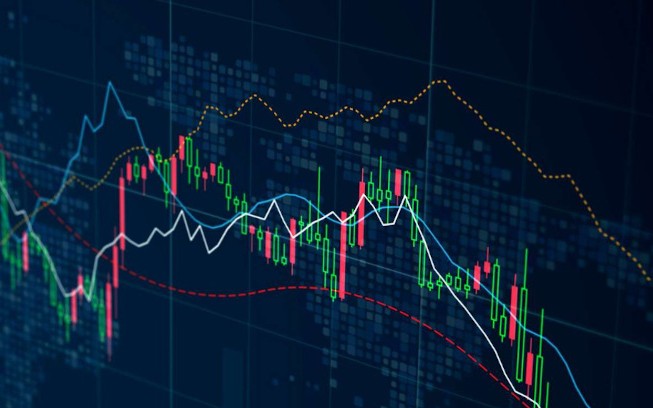
- Trading Tools: Look for platforms that offer essential trading tools, including technical analysis charts, economic calendars, and news feeds.
- Fees and Commissions: Understand the cost structure of the platform. Low fees can significantly affect profitability.
- Customer Support: Quality support can help resolve issues quickly, especially during volatile market conditions.
Risk Management in Forex Trading
Risk management is a crucial aspect of Forex trading. Traders should never risk more than they can afford to lose. Here are some strategies to manage risk:
- Stop-loss Orders: Implementing stop-loss orders allows traders to limit their losses by automatically selling a currency pair when it reaches a specific price.
- Position Sizing: Determine how much capital to allocate for each trade based on overall risk tolerance.
- Diversification: Diversifying across different currency pairs can help mitigate risk.
Staying Informed and Continuing Education
The Forex market is dynamic, and staying informed is essential. Traders should continually educate themselves about market trends, economic developments, and new trading strategies. Many resources are available, including books, online courses, webinars, and trading forums.
Conclusion
Forex trading offers substantial opportunities for profit, but it also carries significant risks. By understanding the market dynamics, developing a solid trading strategy, and choosing a reliable trading platform, traders can enhance their chances of success. Remember to prioritize risk management and continual education to navigate this exciting field effectively. Whether you are a beginner or an experienced trader, the Forex market awaits with possibilities. Start your journey today and explore platforms that suit your trading needs.
