


Understanding the psychology behind casino players' decision-making processes
The Allure of Gambling
The psychology behind casino gambling is fascinating, revealing the complex motivations that drive individuals to engage in these high-risk environments. One major aspect is the thrill associated with the game, which often stems from the anticipation of winning. This heightened emotional state can create a sense of euphoria, reinforcing the behavior and encouraging players to return for more. When players experience this rush, they often overlook the odds and make decisions based on emotion rather than rational thought. To improve their experiences, individuals may choose to prioritize understanding their gambling habits.
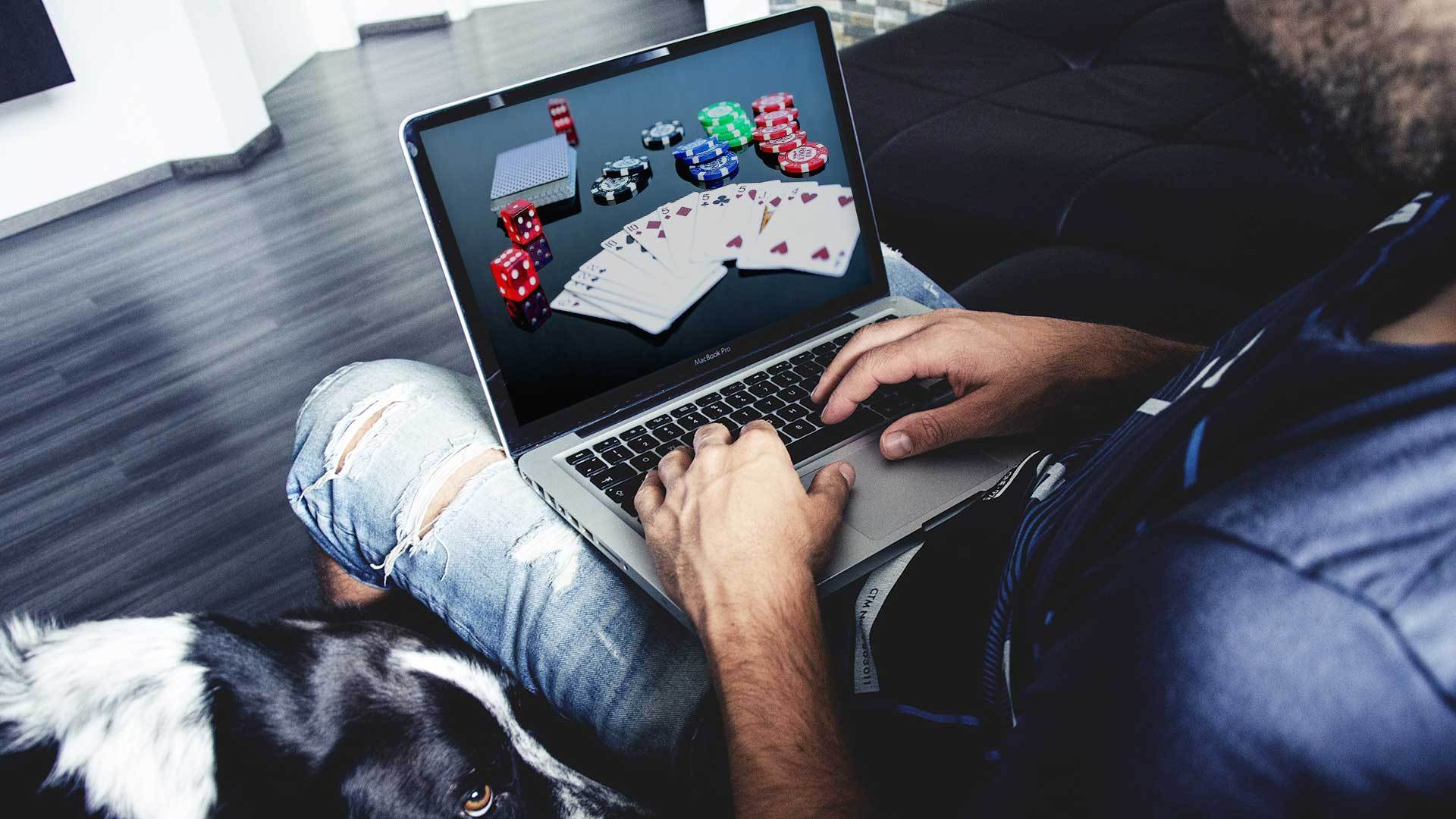
Moreover, many players fall prey to the illusion of control, believing they can influence the outcomes of games through their choices or strategies. This misconception can lead players to make increasingly risky bets, thinking they hold a winning strategy. The environment of a casino, with its bright lights and celebratory atmosphere, further amplifies this feeling of control, creating a powerful psychological lure that entices individuals to gamble more than they might have initially intended.
Additionally, social aspects play a crucial role in decision-making at casinos. Gamblers often enjoy the camaraderie found in communal settings, such as poker tables or slot machine areas. The presence of others can amplify feelings of excitement and make the experience more enjoyable, encouraging players to take risks. This social reinforcement makes players more likely to engage in behaviors they might otherwise avoid when alone, highlighting the impact of social dynamics in gambling decisions.
Casino players are often influenced by cognitive biases that affect their decision-making processes. One such bias is the gambler’s fallacy, where individuals believe that past outcomes will influence future results. For instance, a player might think that a particular slot machine is “due” for a payout after a series of losses, leading them to invest more money than they originally intended. This flawed reasoning can perpetuate a cycle of loss, as players chase after a winning moment that is statistically unlikely to occur.
Another significant bias is the confirmation bias, where players seek out information that validates their beliefs while ignoring evidence that contradicts them. For example, a gambler may focus on their past winning sessions, reinforcing their belief that they have a unique ability to beat the system. This selective perception can lead to repeated gambling attempts, even in the face of growing losses, as players become increasingly convinced of their luck or skill.
Additionally, the framing effect plays a role in how decisions are made in casinos. Players may respond differently to a gamble presented as a “50% chance of winning” compared to one framed as a “50% chance of losing.” This discrepancy in presentation can lead to riskier decisions, as people often gravitate toward options that are framed more positively, regardless of their actual probabilities. Understanding these biases can provide insights into why gamblers behave the way they do and why they often disregard sound judgment.
Emotions significantly influence casino players’ decision-making processes, often overriding logical reasoning. For many, the thrill of gambling can evoke feelings of happiness, excitement, or even empowerment. However, when luck turns against them, these emotions can shift rapidly to frustration or desperation, leading to poor decision-making. Players may chase their losses by making larger bets in an attempt to recoup what they’ve lost, which can result in even greater losses and a vicious cycle of emotional highs and lows.
The concept of loss aversion also comes into play, where players are more affected by losses than by equivalent gains. This psychological tendency can lead to irrational behavior, such as continuing to play even when the odds are not in their favor. Players may feel compelled to keep gambling in order to “make things right” after experiencing a loss, leading to a detrimental cycle that is difficult to break.
Moreover, the environment within a casino, designed to stimulate excitement and adrenaline, can amplify emotional responses. The sounds of winning, cheers, and celebrations create a backdrop that can heighten a player’s emotional state. This sensory experience can cloud judgment and lead to impulsive decisions, as the emotional high can make players feel invincible, encouraging them to take greater risks than they would in more mundane situations.
Marketing strategies and casino design are meticulously crafted to appeal to the psychological tendencies of players. From loyalty programs that reward frequent players to enticing promotional offers, casinos use various techniques to draw individuals in and keep them engaged. These strategies play into the reward-seeking behavior inherent in human psychology, making it more likely for players to return, even when they’ve faced losses.
Additionally, the layout of a casino is designed to maximize engagement. Many establishments employ an open floor plan with strategically placed games to encourage wandering and exploration. The absence of clocks and windows removes temporal constraints, making players lose track of time and increasing the likelihood of extended gambling sessions. This design choice can lead to impulsive decision-making, as players find themselves caught up in the atmosphere and continue to gamble beyond their planned limits.
Casino promotions and marketing messages often capitalize on the emotional highs associated with gambling. Advertisements highlighting big wins and successful players reinforce the notion that significant payouts are possible, drawing in new customers while encouraging existing players to continue spending. This relentless focus on potential rewards can create an addictive cycle, as players become entranced by the idea of striking it rich, even as they grapple with the reality of the odds stacked against them.

Understanding the psychology behind gambling is vital not only for players seeking to improve their decision-making processes but also for those looking to engage responsibly. Reliable resources and informative content, including MyLuck casino, can provide essential insights into gambling behavior, helping players recognize when they may be falling into unhealthy patterns. Access to educational materials allows individuals to make more informed choices, enhancing their overall gambling experience.
Additionally, websites dedicated to responsible gambling often offer tools and support for those who may need assistance. These resources can include self-assessment quizzes, guides on setting limits, and information on where to find help for gambling-related issues. By utilizing these resources, players can cultivate a healthier relationship with gambling, ensuring that it remains a form of entertainment rather than a harmful addiction.
In an industry where emotions and psychological factors play a significant role, having access to reliable content can empower players. Understanding the intricate dynamics of decision-making processes can lead to better choices and an enjoyable gambling experience. By fostering a culture of awareness and education, players can enjoy My Luck online casino, whether online or in-person, while maintaining control over their decisions and well-being.
“`
